TL;DR
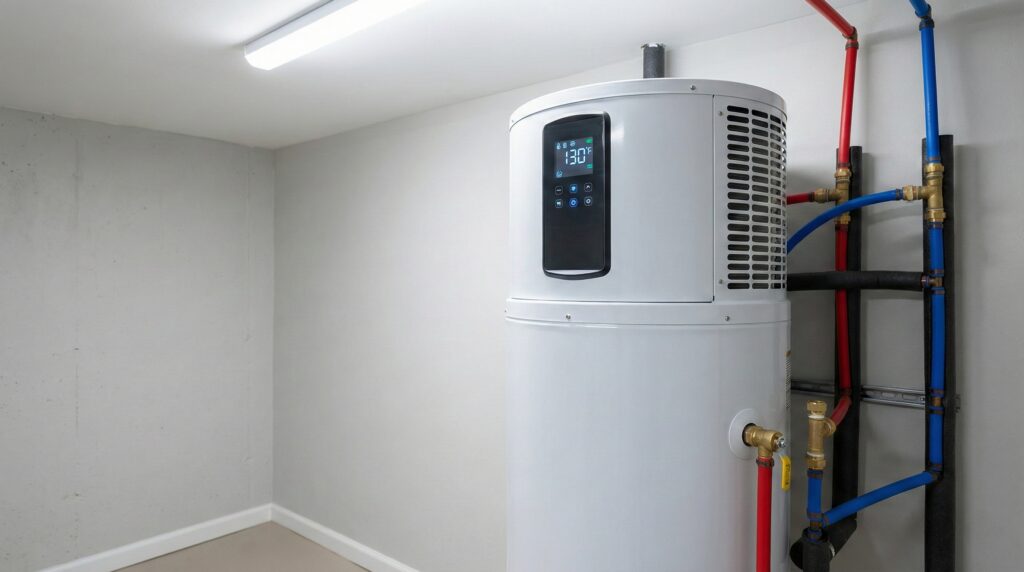
True outdoor-rated electric tankless water heaters are uncommon, and freeze risk is the biggest dealbreaker when you mount an electric unit outside. For most homes, the safest path is placing an electric tankless in a conditioned space (or protected enclosure) and keeping exterior pipe runs short — and having a licensed electrician (NEC-certified) confirm your panel capacity before you buy.
Top Recommended Water Heating
| Product | Best For | Price | Pros/Cons | Visit |
|---|---|---|---|---|
| Stiebel Eltron Tempra 36 Plus 36 kW Tankless Heater | High-demand indoor installs near a main panel | Check price on Amazon | Strong output for many homes; very high electrical draw and not clearly outdoor-rated | Visit Amazon |
Top Pick: Best Overall Water Heating
Stiebel Eltron Tempra 36 Plus 36 kW Tankless Heater
Best for: A household that wants strong electric-tankless performance and can support the electrical load (for example, a 200-amp service panel with multiple spare breaker spaces), but plans to install the unit indoors or in a properly protected, code-compliant location rather than fully exposed outdoors.
The Good
- High-output, premium electric tankless option that can keep up better than smaller point-of-use units when inlet water isn’t ice-cold (per manufacturer positioning and common category use).
- Compact wall-mount form factor helps when you’re tight on utility-room space and want to minimize footprint.
- Customer experience highlights strong hot-water delivery once properly installed and sized for the home.
- A good fit when you’re trying to avoid standby losses of a tank and you can run the necessary heavy-gauge wiring to the mounting location (plan this with your electrician).
The Bad
- Electrical demand is a frequent “surprise cost” — homeowner reports flag that installation can require significant amperage, multiple breakers, and potentially service/panel work.
- Not clearly positioned (from the provided product evidence) as an outdoor-rated, weatherproof, freeze-protected electric tankless — which matters a lot for exterior mounting.
- Outdoor placement raises freeze and corrosion risk; even “tankless” units retain water internally and can burst if they freeze.
4.3/5 across 102 Amazon reviews
“Bought the 36 plus model, did not fully grasp the scope of installation. This thing potentially sucks up 150 amps, you might only have 200 amp service to your house!! If you are reading this and considering the high end of any tankless model then figure in that much draw and become familiar with your breaker box, got room for 3 two pole breakers? Good. They…” — Verified Amazon buyer (5 stars)
“This heater was small and I worried it would not be up to the task. I’m glad to say I was wrong. It supplies plenty of hot water and has no footprint at all. It did cost a grand to install because I had to plumb and wire it. I had to hire out the wiring but did the plumbing myself. I hope It lasts the 12-15 years it is advertised for. My replaced ranked…” — Verified Amazon buyer (4 stars)
Our Take: If you’re shopping “outdoor electric tankless” because you need hot water near an exterior shower or pool, this is the kind of unit that can deliver the heat — but we’d only treat it as a best-overall option when you can install it in a protected location and you’ve confirmed (with an NEC-certified electrician) that your electrical service and wiring plan are realistic.
FAQ
Are electric tankless water heaters safe to install outdoors?
Only if the specific model is explicitly rated for outdoor exposure (weather sealing, approved installation method, and clear freeze guidance) or it’s installed in a code-compliant protected enclosure. Outdoor electrical work also needs correct bonding/grounding and an appropriate disconnecting means per NFPA 70 (National Electrical Code) and your local jurisdiction.
Will an outdoor electric tankless water heater freeze in winter?
It can. Even tankless units retain water in internal passages, and outdoor placement increases freeze exposure for both the heater and the piping. If you live where temps dip near freezing, you generally need a documented freeze strategy (powered freeze protection that requires electricity, or a full seasonal drain-down procedure) and you should keep exposed piping insulated and protected.
Can an electric tankless run a whole house?
Sometimes, but it depends heavily on winter inlet water temperature, your target outlet temperature, and available electrical capacity. The U.S. Department of Energy notes that tankless heaters must be sized to expected demand and conditions; in colder climates, electric tankless often needs very high power to maintain comfortable flow at larger temperature rises (see U.S. Department of Energy guidance on tankless water heaters).
How do I estimate real-world shower performance from a tankless heater?
Start with your desired shower flow rate and your coldest incoming water temperature, then determine the temperature rise needed to reach a safe, comfortable outlet temperature. Many showerheads are designed around efficiency targets (for context, see the EPA WaterSense showerhead program), and the bigger the required temperature rise, the lower the GPM an electric tankless can typically sustain.
What’s the biggest hidden cost with electric tankless (especially for “outdoor” installs)?
Electrical work. High-kW electric tankless heaters can require multiple 240V circuits, large-gauge conductors, panel space, and sometimes a service upgrade — plus a weather-rated disconnect if any portion of the install is outdoors. Plan for permits/inspection as well; many jurisdictions treat new high-amperage circuits and water heater changes as permit work under locally adopted building/plumbing codes (often based on International Code Council model codes).
If “outdoor electric tankless” options are limited, what’s a smarter setup for an outdoor shower?
In many homes, the practical approach is installing the electric tankless indoors (or in a properly conditioned/protected utility space) and running a short, well-insulated hot-water line to the outdoor fixture — minimizing heat loss and freeze exposure. If the run is long, talk to a plumber/HVAC contractor about alternatives like a small insulated tank closer to the fixture or a recirculation approach, because long exterior lines are where freezing and “cold sandwich” complaints show up.
Other Notable Alternatives Worth Considering
- Stiebel Eltron — The “Tempra Plus 29 kW” model is listed in this category based on retailer data; we haven’t independently verified specific outdoor suitability or performance details for this exact configuration, so treat it as a starting point for spec-checking rather than a confirmed pick.
Bottom Line
For most shoppers searching for the “best outdoor electric tankless water heater,” the real win is choosing a high-quality electric tankless and installing it in a protected location with a clear freeze plan — not mounting an indoor-only unit fully exposed to weather. Our top pick, the Stiebel Eltron Tempra 36 Plus, makes sense when you have the electrical capacity (and budget) to install it correctly and you’re prioritizing strong hot-water output over a simple plug-and-play outdoor mount.
Affiliate disclosure: We may earn affiliate commissions from qualifying purchases. This doesn't influence our reviews.