TL;DR
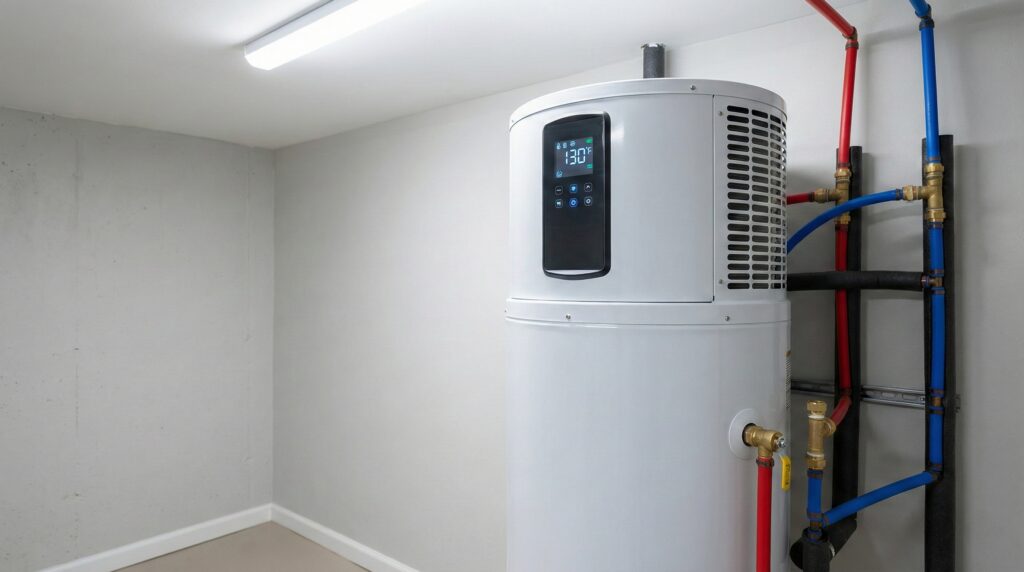
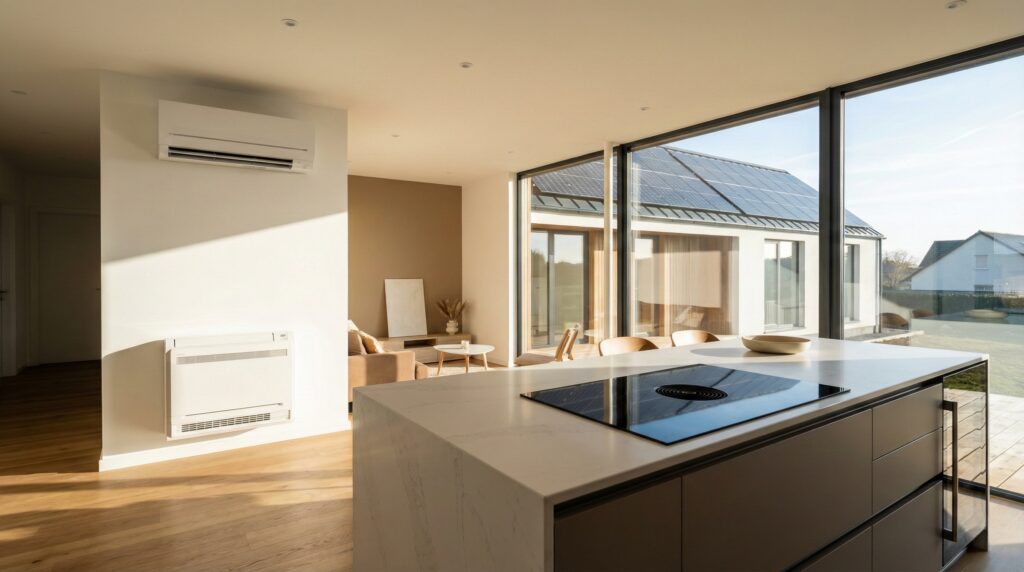
Nearly every plug-in electric space heater turns electricity into heat at essentially the same rate, so the “efficient” choice is the one that fits your room size and prevents wasted runtime with a real thermostat, ECO/auto modes, and a timer. For meaningful whole-room efficiency gains (lower kWh for the same comfort), a heat pump is in a different league than any resistive space heater — see the DOE heat pump systems guide.
Top Recommended Efficient Electric Heaters
| Product | Best For | Price | Pros/Cons | Visit |
|---|---|---|---|---|
| Dr Infrared Heater DR-968 Portable Space Heater, 1500-Watt, | Quieter, steadier heat in medium-to-large rooms | Check price on Amazon | Strong heat output with helpful controls; larger and pricier than basic ceramics | Visit Amazon |
| DREO Heater Solaris 628 | Budget-friendly spot heating for bedrooms/offices | $70 – $80 | Direct-to-consumer value pick from a heater-focused brand; buyer-review signal is thinner than big Amazon staples | Visit Dreo |
| Dyson Hot+Cool AM09 Tower Bladeless Fan Heater – | Premium year-round fan + heater convenience | Check price on Amazon | Bladeless tower design with remote control; high cost and some reliability complaints | Visit Amazon |
Top Pick: Best Overall Efficient Electric Heaters
Dr Infrared Heater DR-968 Portable Space Heater, 1500-Watt,
Best for: Heating a frequently used room (like an insulated 200 – 300 sq. ft. bedroom or home office) where you want stable warmth without running a heater at full blast all day.
The Good
- Strong “real room” performance for a plug-in unit — homeowner reports mention it handling larger bedrooms when the space is reasonably insulated.
- Customer experience often calls out quieter operation, which matters if it’s running during meetings or overnight.
- Controls are one of the big efficiency levers on any resistance heater: better set-and-forget behavior means less wasted runtime versus a simple low/med/high dial approach.
- Good mainstream adoption (lots of buyer familiarity), which tends to make it easier to find setup tips and long-term ownership notes.
The Bad
- Like nearly all 120V portable space heaters, it’s still fundamentally limited by wattage (typically up to 1500W on a standard outlet) — so it won’t “replace central heat” in an open-plan living area.
- It’s a larger, pricier unit than ultra-basic ceramic fan heaters, so it’s not the best choice if you just need occasional quick heat at a desk.
4.5/5 across 28,151 Amazon reviews
“I own 3 of these now. I finished my basement and the furnace doesn’t quite keep the bedrooms warm enough during the winter so I bought one of these. I tested it in a large room, about 275 sq. ft, and it worked really well (all walls and ceilings are insulated). It was such a good heater I bought another one for another basement bedroom. And recently I…” — Verified Amazon buyer (5 stars)
“Works well, but the display/leds are crazy bright. We put dimming film over the front as it was lighting up my daughter’s room! Works well, has the controls you need, and is slightly more compact than the older version we had. No assembly requires, and it is nice and quiet.” — Verified Amazon buyer (4 stars)
“I tested it in a large room, about 275 sq. ft, and it worked really well (all walls and ceilings are insulated).” — verified buyer, 5 stars
Our Take: If you want the most efficient real-world outcome from a plug-in heater — meaning comfortable warmth with less needless runtime — this is the safest all-around bet in our list thanks to its combination of strong output, usable controls, and consistently positive homeowner feedback.
One quick reality check: for resistive plug-in heaters, “efficiency” is mostly not about turning electricity into heat (they’re all effectively similar at that). It’s about (1) using the right size heater for the room, and (2) controlling runtime so you don’t accidentally run 1500W for hours longer than needed. A simple way to estimate cost: a 1500W heater running at max for one hour uses about 1.5 kWh; multiply that by your electricity rate.
Safety note: the U.S. Department of Energy and other safety authorities generally recommend using portable heaters for zone heating and plugging them directly into a wall outlet (not a power strip). If you’re unsure about a circuit that already trips occasionally or a bedroom outlet that runs warm, talk with a licensed electrician (NEC-certified) and use the NFPA 70 National Electrical Code as the baseline reference for safe residential wiring practices.
DREO Heater Solaris 628
Best for: A straightforward, budget-friendly heater for a condo bedroom or small office where you want quick spot heat without overbuying.
The Good
- Compelling price point for shoppers who mainly want a basic, modern space heater from a heater-focused brand.
- A good “second heater” candidate for zone heating — for example, warming the home office during the workday instead of heating the whole house.
- Direct-to-consumer availability can be appealing if you prefer buying from the brand’s own product page rather than sorting through marketplace listings.
The Bad
- We have less homeowner-report signal here than with long-running Amazon mainstays, so it’s harder to generalize long-term reliability.
- Like other plug-in units, it’s constrained by standard 120V/15A circuit reality — it’s not a “cheap way” to heat a drafty open living room.
Our Take: If your goal is efficient spot heating on a tighter budget (and you’re realistic about plug-in heater limits), this is the cleanest value-oriented pick in this short list.
Dyson Hot+Cool AM09 Tower Bladeless Fan Heater –
Best for: A multipurpose unit in a bedroom or apartment living space where you want a heater in winter and a fan in summer, especially in a home with kids or pets where a bladeless design is appealing.
The Good
- Year-round usefulness: it’s both a space heater and a fan, which can help justify the higher upfront cost if it replaces two devices.
- Bladeless tower format can be easier to live with in tighter rooms (less “stuff” on the floor and no exposed spinning blades).
- Remote control helps you actually use setpoints and modes instead of leaving it blasting — a practical path to less wasted runtime.
- Premium fit-and-finish compared with standard cube or tower heaters.
The Bad
- Higher cost than standard 1500W heaters even though the underlying heat source still follows the same plug-in power limits.
- Installer feedback isn’t the issue here — it’s a portability product — but buyer reviews do include notable reliability/repair frustration.
4.3/5 across 118 Amazon reviews
“Excellent room heater for small rooms, like bathrooms. Quiet, yet functional even whenset to the highest setting. Easy to use remote control.” — Verified Amazon buyer (5 stars)
“Blows a small amount of cold air when “not running” but in standby mode. Heater broke after 1 cold season, Dyson replaced it, that unit broke after a shorter use time, Dyson wont replace.I would rather spend 30-40 on a cheap heater and throw it away each year than ever buy a Dyson again. It was absolutely the worst appliance purchase I have ever made, Dyson…” — Verified Amazon buyer (1 stars)
“Heater broke after 1 cold season, Dyson replaced it, that unit broke after a shorter use time, Dyson wont replace.” — verified buyer, 1 stars
Our Take: If you value design and all-season convenience (and you’re comfortable with the price), it’s a nice experience when it’s working — but we’d be cautious if you’re buying primarily for long, daily heating duty.
FAQ
Are some electric space heaters more efficient than others?
For typical plug-in space heaters that use resistance heat, the electricity-to-heat conversion is effectively similar across models — you’re mostly paying for controls, safety design, noise level, and how comfortably they hold temperature. Where you can “win” on efficiency is reducing wasted runtime (a real thermostat, ECO/auto behavior, and timers) and only heating the room you’re actually using, which aligns with U.S. Department of Energy zone-heating guidance.
How much does a 1500W electric heater cost to run per hour?
At maximum output, 1500W is 1.5 kW, so one hour at full power uses about 1.5 kWh. Multiply that by your electricity rate (shown on your bill): for example, at $0.20/kWh, that’s about $0.30 per hour at max — and less if the heater cycles off once it reaches the thermostat setpoint.
What size room can an efficient plug-in heater realistically heat?
Most 120V plug-in heaters top out around 1500W, which can work well for small-to-medium rooms, especially if doors are closed and insulation is decent. Open layouts, high ceilings, and drafts can overwhelm any single plug-in unit — at that point, using multiple zones (on separate circuits) or moving to a heat pump is usually the more practical path.
Which heater type is best for overnight use in a bedroom?
If quiet matters most, many people prefer radiator-style or other low-fan approaches — but within this specific list, focus on models that let you set a stable temperature and that have safety shutoffs. No matter what you buy, place it on a hard, level surface, keep clearance from bedding and curtains, and avoid extension cords; if you’re unsure your bedroom circuit can handle sustained load, check with a licensed electrician (NEC-certified).
Do “ECO modes” actually save electricity?
They can, but not because the heater is magically more efficient at turning watts into heat. ECO/auto modes help by cycling or reducing power once you’re near the set temperature, which can prevent hours of unnecessary full-power operation — the real driver of cost on any resistance heater.
What’s the most energy-efficient electric way to heat a room?
A heat pump (like a mini-split or heat-pump window unit) is typically the most energy-efficient option because it moves heat instead of creating it directly from resistance. For a plain-language explainer and sizing considerations, start with the DOE heat pump systems guide, and for broader efficiency programs and qualifying product categories, check ENERGY STAR certified products.
What safety features should I look for on an electric space heater?
At a minimum, look for tip-over shutoff, overheat protection, and a recognized safety certification (commonly a UL mark) — and always follow the manual’s placement and clearance instructions. For general consumer safety awareness, it’s also worth occasionally checking CPSC product recalls for any heater-related notices.
Bottom Line
Our top pick, the Dr Infrared Heater DR-968, is the best “efficient” choice for most homeowners because it pairs strong real-room heating with the kind of controls that can reduce wasted runtime. If your goal is lower electric bills for sustained whole-room heating (not just spot comfort), plan on a heat pump strategy rather than expecting a different plug-in space heater to beat physics.
Affiliate disclosure: We may earn affiliate commissions from qualifying purchases. This doesn't influence our reviews.