TL;DR
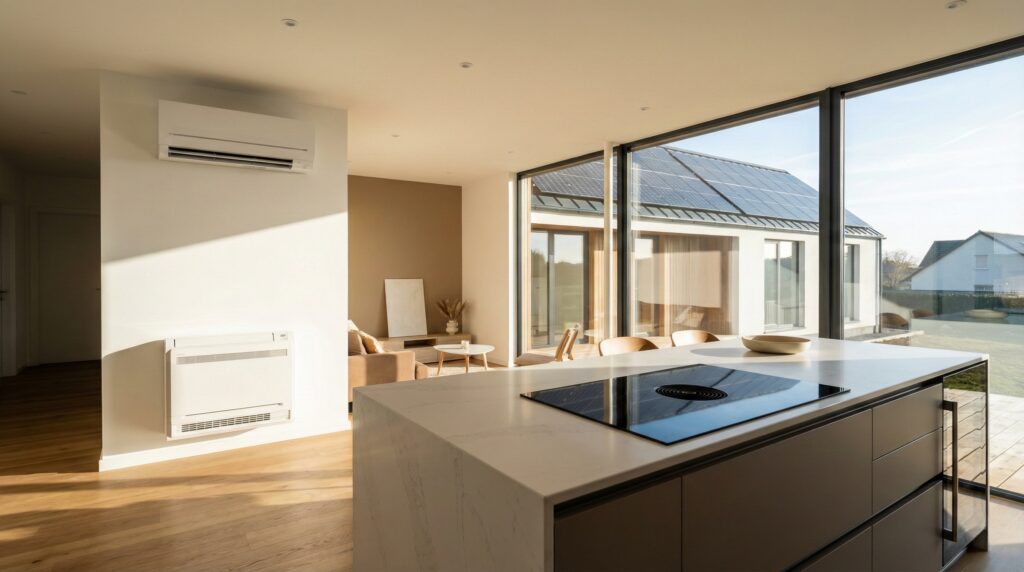
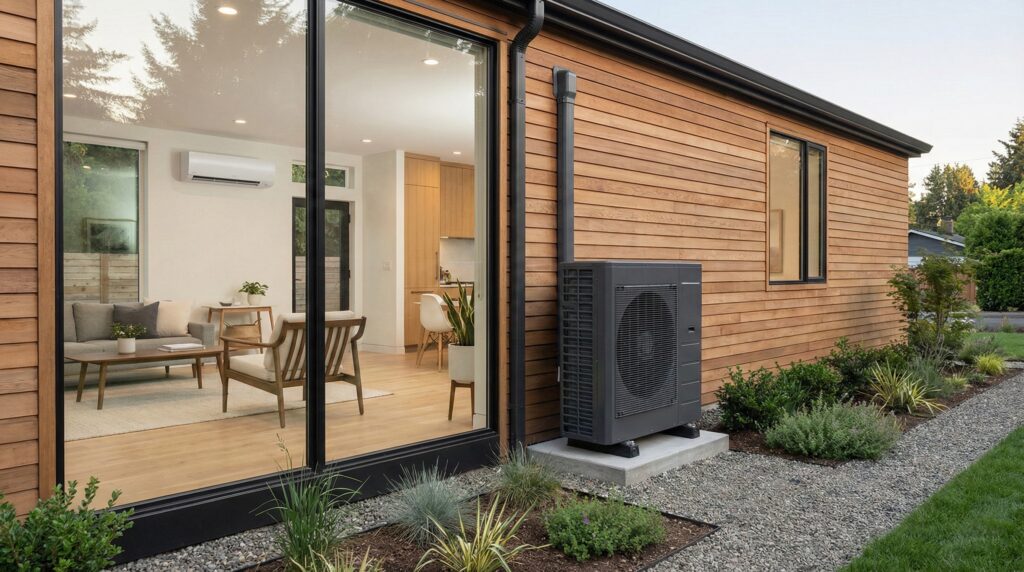
Ductless mini splits have revolutionized home climate control by allowing for precise, room-by-room temperature management without the energy loss associated with leaky ductwork. After years of analyzing home electrification trends and talking with HVAC technicians who spend their days in hot attics and cramped crawlspaces, it is clear that not all “efficient” units are created equal. While dozens of brands populate the market, many are simply rebadged versions of the same hardware. To find the best ductless mini split, we focused on real-world reliability, parts availability, and low-temperature performance. Mitsubishi remains the industry gold standard for its build quality and ease of maintenance, while brands like Senville offer incredible value for the DIY-inclined. If you are looking for aesthetics, LG leads the pack, but you must be prepared for slightly more complex board repairs. For most homeowners, the choice comes down to whether you want a system that lasts 20 years with professional support or a budget-friendly unit that you can potentially service yourself.
Choosing the right climate solution for your home is a major step in any renovation or upgrade. If you’re exploring more options, our heating and cooling solutions roundup covers the top picks for energy-efficient climate control. Beyond just cooling, integrating these systems with other home appliances can significantly reduce your total carbon footprint.
Top Picks: The Best Mini Split Systems at a Glance
The following table summarizes the heavy hitters in the ductless world. We’ve selected these based on technician feedback regarding failure rates and the ease of finding replacement parts—a factor often overlooked until your AC stops working in the middle of a heatwave.
| Product Name | Best For | Price Range | Pros/Cons | Visit |
|---|---|---|---|---|
| Mitsubishi Electric Premier MSZ-GX | Overall Reliability | Check price on Amazon | Excellent parts availability; Easy to clean / High upfront cost | |
| LG Artcool Deluxe KNSAL | Modern Aesthetics | Check price on Amazon | Stunning mirror finish; Great app / Parts can be slow to ship | |
| Senville Aura Series | DIY Value | Check price on Amazon | Excellent pricing; Energy Star rated / Difficult to find pro installers | |
| Mitsubishi MSZ-JP | Historic Homes (115V) | Check price on Amazon | No panel upgrade needed; Very quiet / Lower BTU capacity | |
| Daikin 19 Series | Efficiency Efficiency | Check price on Amazon | Very high SEER ratings; Solid warranty / Units are quite bulky |
Mitsubishi Electric Premier MSZ-GX
When you talk to HVAC pros, Mitsubishi is usually the first name they mention. The Premier MSZ-GX represents the brand’s commitment to long-term ownership. One of the most common complaints with mini splits is that the indoor blower wheel gets filthy and is a nightmare to clean. Mitsubishi addressed this by designing their units with blower wheels that are far easier to pull than the competition. This keeps your air quality high and your unit running efficiently for decades.
In practice, the heat pump technology here is incredibly sophisticated. It doesn’t just turn on and off; it “hunts” for the precise speed needed to maintain your set temperature, often drawing less power than a couple of old incandescent light bulbs once the room is stable. However, be aware that Mitsubishi is currently transitioning toward R454B refrigerants. While this is better for the planet, it means you should confirm which refrigerant your specific unit uses to ensure future-proof servicing.
The Good
- Hyper-Heating (H2i) technology provides reliable warmth even when it’s -13°F outside.
- The Dual Barrier Coating prevents dust and grease accumulation on internal components.
- Whisper-quiet operation—you’ll likely forget it’s even running.
The Bad
- The initial installation cost is significantly higher than budget brands.
- Their proprietary Kumo Cloud app can be finicky to set up on some home networks.
Should You Buy? Best for homeowners who want a “buy once, cry once” solution with the best technician support network in North America. Skip if you are on a tight budget or only need a unit for a temporary garage setup.
LG Artcool Deluxe KNSAL
If the standard “white plastic box” look of most mini splits ruins your home’s interior design, the LG Artcool is the answer. It features a sleek mirror-finish front panel that reflects the room, making it much less of an eyesore. But it’s not just a pretty face; the KNSAL series is built for brutal winters. It can provide 100% heating capacity down to -5°F and continues to operate all the way down to -31°F. This makes it a serious contender for those in the northernmost states or Canada.
However, honesty is important here: LG has a reputation in the technician community for having more frequent control board issues compared to Mitsubishi. While their ThinQ app is arguably the most user-friendly on the market, finding a local technician who stocks LG boards can sometimes be a challenge. We recommend this unit primarily if you have a reliable LG-certified installer in your area.
The Good
- Stunning aesthetic that blends into modern or industrial-themed rooms.
- Extreme cold climate performance that rivals high-end Japanese brands.
- Built-in Wi-Fi that integrates seamlessly with Google Home and Alexa.
The Bad
- Control board longevity has been a point of contention in user forums.
- The mirror finish shows fingerprints and dust much more clearly than matte white units.
Should You Buy? Best for design-conscious homeowners in extremely cold climates who prioritize smart home integration. Skip if you live in a rural area where specialized HVAC parts are hard to source.
Senville Aura Series
Senville has become the darling of the DIY community, and for good reason. They use hardware manufactured by Midea—the world’s largest AC manufacturer—but back it with Canadian-based customer support that is surprisingly responsive. For the price of one Mitsubishi head, you can often buy two or three Senville units. For a shop, garage, or a guest room that isn’t used daily, the value proposition is hard to beat.
The Aura series is their flagship, offering SEER2 ratings that make it eligible for many local utility rebates. In practice, homeowners often report that while the units feel slightly “plasticky” compared to premium brands, the actual cooling and heating performance is nearly identical. The biggest risk with Senville isn’t the hardware; it’s the installation. Since many pros refuse to install brands they didn’t sell you, you’ll likely be doing the heavy lifting yourself.
The Good
- Unbeatable price-to-performance ratio for a high-efficiency heat pump.
- Excellent support team that helps with warranty claims and technical questions.
- Complete installation kits often include the lineset and communication wire.
The Bad
- Most local HVAC companies will not provide labor warranties for these units.
- Multi-zone outdoor units have been known to have board failures if the electrical supply isn’t perfectly stable.
Should You Buy? Best for DIYers and budget-focused renovators who are comfortable with self-installation. Skip if you want a local company to handle all maintenance and repairs for the next decade.
Mitsubishi MSZ-JP
Historic homes often face a major hurdle when electrifying: the electrical panel. Most mini splits require a dedicated 230V circuit, which can necessitate a $3,000 panel upgrade. The Mitsubishi MSZ-JP solves this by running on standard 115V power. You can often tap into existing circuits (with caution and professional advice) to bring high-efficiency cooling to a bedroom or office without tearing up your walls for new heavy-gauge wiring.
Despite the lower voltage, the MSZ-JP doesn’t feel like a compromise. It uses the same inverter technology as its bigger brothers, ensuring smooth, quiet operation. The main trade-off is capacity; these are typically limited to 9,000 or 12,000 BTU. This makes them perfect for individual rooms but not for cooling a whole open-concept floor plan.
The Good
- Standard 115V power makes installation in older homes much cheaper.
- Compact indoor unit footprint fits above doors or in tight wall spaces.
- Reliable performance in both heating and cooling modes.
The Bad
- Limited to smaller room sizes due to lower BTU availability.
- Does not feature the same extreme-cold heating capabilities as the MSZ-GX.
Should You Buy? Best for single-room additions or historic homes where electrical upgrades are cost-prohibitive. Skip if you need to heat or cool a large, open living area.
Daikin 19 Series
Daikin is the silent giant of the industry. While they don’t spend as much on consumer marketing as Mitsubishi, they are actually the largest HVAC manufacturer in the world. The 19 Series is their bread-and-butter unit, offering high efficiency and a legendary warranty—often 10 to 12 years if installed by a Daikin Comfort Pro.
The build quality is industrial. The outdoor units feature a “swing compressor” which has fewer moving parts than standard rotary compressors, theoretically leading to a longer lifespan. The units are a bit bulkier and the design is utilitarian, but if you want a system that just works without the “luxury” price markup of some boutique brands, Daikin is a solid choice.
The Good
- Exceptional warranty coverage when using certified installers.
- Highly efficient operation that noticeably lowers monthly power bills.
- Broad operating range that handles most temperate climates with ease.
The Bad
- Indoor units are noticeably larger and deeper than Mitsubishi or LG models.
- Finding a certified “Comfort Pro” is essential for the full warranty, which can limit your installer choices.
Should You Buy? Best for homeowners who prioritize long-term warranty protection and high efficiency over aesthetics. Skip if you have limited wall space for the indoor air handler.
What Real Users Are Saying (Reddit Insights)
Brand Reliability: The Mitsubishi vs. LG Debate
Technicians on forums like r/HVAC frequently debate the merits of these two giants. The consensus generally leans toward Mitsubishi for serviceability. One technician noted that they rarely have issues with Mitsubishi, and when they do, the blower wheels are “easy to pull,” making routine cleaning much simpler. LG, by contrast, is often praised for its “wow factor” and better-looking units, but users report more frequent “fried boards,” particularly in areas with frequent power surges or unstable grids.
“I’ve only ever messed with Mitsubishi and LG. I definitely seem to have more issues with LG than I do with Mitsubishi.” — r/HVAC
The ‘Midea’ Reality
One of the most eye-opening insights from the professional community is how much manufacturing overlap exists. Midea, a Chinese manufacturing powerhouse, actually produces the hardware for a massive list of brands, including Carrier, Toshiba, Goodman, Samsung, and Lennox. This means that a “budget” Senville unit often shares the exact same compressor and evaporator technology as a much more expensive brand-name unit. The difference usually lies in the customer support, the casing design, and the quality of the Wi-Fi module.
Real-World Cons & Complaints
The most common “nightmare” scenarios shared on Reddit involve multi-zone systems. If a single outdoor unit powers three indoor heads and the main control board fails, your entire house loses climate control. Pros often suggest that if you have the space, installing three single-zone units is better than one 3-zone unit. Not only is it more efficient, but it also provides redundancy. Additionally, users warn about the high cost of R410A refrigerant. If a DIYer makes a poor flare connection and the gas leaks, the cost to refill the system can quickly exceed $500, erasing any initial savings.
Why Single-Zone Units Often Beat Multi-Zone Systems
It’s tempting to buy one large outdoor condenser to power your entire home, but the Reddit “pro-tip” is to stick with single-zone setups whenever possible. A multi-zone system is like a single string of Christmas lights: if the main brain goes out, the whole house goes dark. With individual single-zone units, you gain redundancy. If the unit in your bedroom fails, you can still sleep in the guest room. Furthermore, single-zone units often have higher SEER2 ratings because they don’t have to manage the complex refrigerant distribution required by multiple heads.
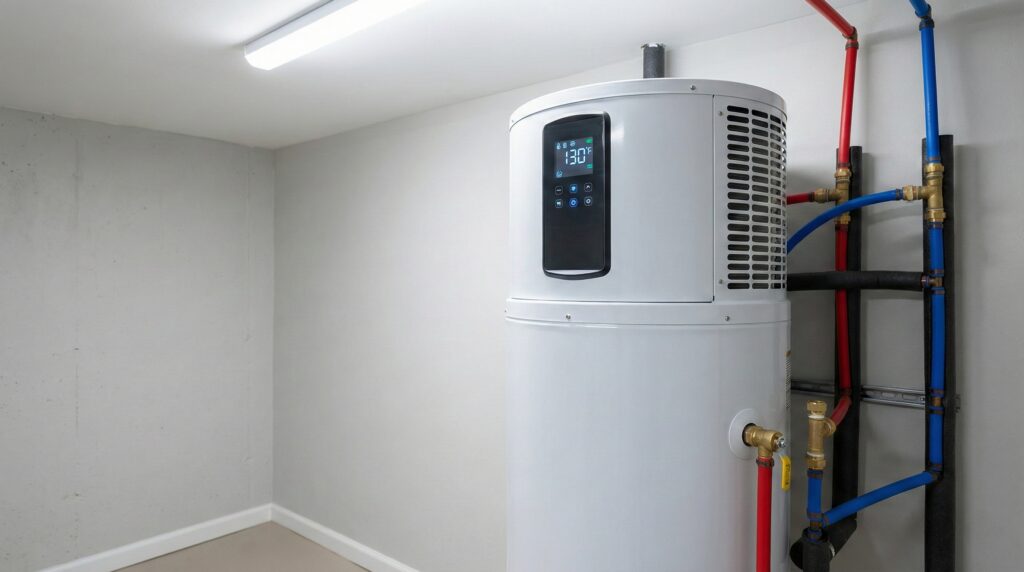
If you’re already upgrading your home’s infrastructure, you might also consider how your water heating fits into the picture. Our guide on the best mini split heat pump options deep dives into the efficiency gains of moving away from gas. For those looking to control these units precisely, pairing them with the best smart thermostat can further optimize your energy usage.
The Essential DIY Installation Tool Checklist
If you decide to take the Senville or Midea route, do not skimp on tools. A leak is the number one cause of system failure. Based on technician recommendations, here is the “no-leak” starter kit:
- JB Industries Manifold Gauge Set: Avoid the cheap $40 Amazon sets; you need precision to ensure there are no microscopic leaks.
- Appion Valve Core Removal Tools: These allow you to pull the vacuum faster and more effectively.
- CPS Electronic Vacuum Gauge: You cannot guess a vacuum. You need to see it hit 500 microns and hold.
- Super Stars Concentric Flaring Tool: The flares that come on pre-made linesets are notorious for leaking. Cut them off and make your own with a high-quality tool.
- ZENY Vacuum Pump: A decent entry-level pump that gets the job done for occasional DIY use.
Other Notable Alternatives Worth Considering
While we highlighted the top performers above, these brands also earn high marks in specific scenarios:
- Fujitsu Halcyon ASUG: A Japanese powerhouse known for being extremely reliable and offering very slim indoor units that are less obtrusive than Daikin. Check on Amazon
- Carrier Performance Series: Built with Midea internals but backed by Carrier’s massive dealer network, making it easier to find local service than Senville. Check on Amazon
- Samsung Quantum 2.0: Features their “WindFree” technology, which uses thousands of micro-holes to disperse air without a direct cold draft hitting you. Check on Amazon
Buyer’s Guide: SEER2, HSPF2, and the Refrigerant Shortage
In the world of ductless heating and cooling, two metrics define your future utility bills: SEER2 (Seasonal Energy Efficiency Ratio) and HSPF2 (Heating Seasonal Performance Factor). The higher these numbers, the less power the unit uses. Look for a SEER2 of 20 or higher to maximize your savings.
There is also a major shift happening in the industry. Most current units use R410A refrigerant, but due to environmental regulations, the industry is moving toward R454B and R32. As we move closer to the total phase-out in 2026, the cost of R410A will likely skyrocket. If you are buying a premium system today, ask your installer if they have R32-ready models available to ensure your system remains affordable to service for its entire 15-20 year lifespan.
For more details on making your home fully electric, check out our water heating section to see how heat pump technology is expanding into other areas of the house.
Frequently Asked Questions
Why do technicians recommend multiple single-zone units over one multi-zone system?
Single-zone units like the Mitsubishi MSZ-GX are generally more efficient because they don’t have to push refrigerant through long manifold systems. More importantly, they offer redundancy. If your multi-zone outdoor unit fails, your whole house loses air conditioning. With three single-zone units, if one breaks, the others still work. Technicians also find single-zone units easier to troubleshoot and repair.
What is the best mini split brand for extremely cold climates?
Mitsubishi’s Hyper-Heating (H2i) and the LG Artcool Deluxe KNSAL are the top choices. These units are specifically engineered to provide heat even when temperatures drop well below zero. While standard mini splits lose efficiency at freezing, these models use advanced inverter technology to maintain performance. Always check the HSPF2 rating, as this indicates how well the unit performs in winter months.
Can I install a mini split myself without a license?
Technically, you can buy a Senville Aura Series unit and install the physical components yourself. However, handling refrigerant legally requires an EPA 608 certification. Many DIYers use “pre-charged” linesets, but you still need a vacuum pump to remove moisture from the lines. Improper installation is the leading cause of premature failure, so consider hiring a pro for the final “commissioning” step.
What is the difference between R32, R410A, and R454B refrigerants?
R410A is the outgoing standard but has a high global warming potential. R32 and R454B are the newer, “greener” replacements. R32 is more efficient and already common in Daikin units, while many other brands are moving toward R454B. Choosing a unit with the newer refrigerants helps future-proof your home against the rising costs of R410A as it is phased out by the end of the decade.
Is Senville a good brand compared to Mitsubishi?
Senville is an excellent value brand for those on a budget or doing a DIY install. It uses reliable Midea components. However, Mitsubishi offers better build quality, quieter operation, and a much larger network of factory-trained technicians. If you want a unit that lasts 20 years and is easily serviced by any pro, go with Mitsubishi. If you want the lowest upfront cost, Senville is a great pick.
How much does a mini split typically save on electric bills?
Compared to traditional central air or window units, a high-efficiency mini split like the Daikin 19 Series can reduce cooling costs by 30-50%. Because there are no ducts, you lose zero energy to attic heat gain. Zoning also allows you to only cool the rooms you are using, which is a major benefit if you work from home in a single office all day.
Upgrading your home’s climate control is one of the smartest investments you can make for both comfort and resale value. Whether you choose the bulletproof reliability of a Mitsubishi or the sleek aesthetics of an LG, moving toward ductless technology is a massive step toward a more efficient home. Just remember: the quality of the installation is just as important as the name on the box. Take your time, get multiple quotes, and ensure your electrical system is ready for the change.
We may earn affiliate commissions from qualifying purchases. This doesn’t influence our reviews.