TL;DR
A mini split heat pump is usually the right move when you need efficient heating and cooling without adding ductwork — or when you want room-by-room control (zoning). The biggest “secret” is that comfort and efficiency depend less on the brand name and more on correct sizing, verified ratings, and a clean installation plan for line sets, drainage, and outdoor-unit placement.
What a Mini Split Heat Pump Actually Is
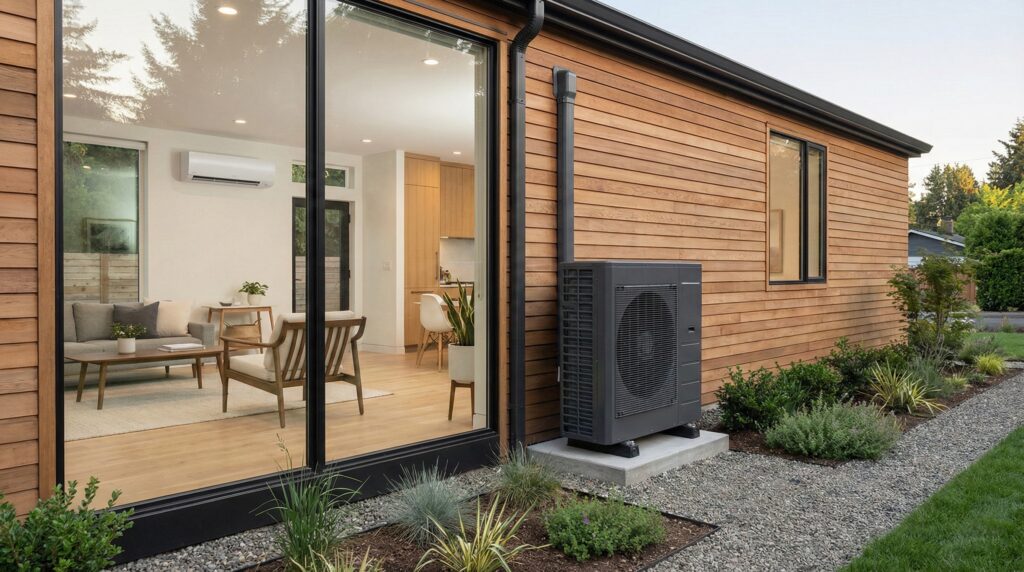
A mini split heat pump (also called a “ductless mini-split”) is a heating-and-cooling system made up of two main parts: an outdoor unit (compressor/condenser) and one or more indoor units (often called “heads” or “air handlers”). The outdoor and indoor pieces connect through a small wall penetration using refrigerant line sets, a condensate drain, and control wiring. Because air isn’t pushed through ducts, you can heat and cool spaces that don’t have ductwork — like older homes, room additions, finished basements, bonus rooms over garages, or converted attics.
Functionally, it’s an air-source heat pump. In cooling mode, it moves heat from inside your home to outdoors (like an air conditioner). In heating mode, it reverses the process and moves heat from outdoors into your home — even when it’s cold outside. Modern mini-splits are typically inverter-driven, meaning they can ramp the compressor up and down instead of cycling fully on/off all the time. That variable-speed behavior is a big reason mini-splits can feel steadier (fewer temperature swings) and can be more efficient at part-load operation.
Another defining feature is zoning. With a single-zone system, one outdoor unit serves one indoor head — usually the simplest and often the most efficient way to condition one area. With a multi-zone system, one outdoor unit can serve multiple indoor heads in different rooms, each with its own thermostat/remote setting. That gives you room-by-room control, but it also adds complexity: more line sets, more drains, more wall penetrations, and more opportunity for design or installation mistakes.
One more “reality check”: mini-splits are not plug-and-play appliances. Proper sizing (ideally via a room-by-room load calculation), correct placement for airflow, and installation details like refrigerant charge, line-set routing limits, and condensate drainage usually determine whether you love the system or fight it. For the basics of how ductless systems work and what to consider, the U.S. Department of Energy’s overview is a solid primer: U.S. Department of Energy — ductless mini-split heat pumps.
Who Mini Split Heat Pumps Fit Best
Mini split heat pumps tend to be a great fit when your home layout, comfort goals, or renovation constraints make ductwork impractical — or when you need targeted control in one or two problem areas.
- Homes without existing ductwork (older homes, radiant/baseboard heat homes, many townhomes/condos): You can add heating and cooling without opening walls/ceilings for ducts.
- Additions and remodels where extending existing HVAC is expensive or impossible: A single-zone mini-split can handle a new room without resizing your whole central system.
- “One room is always uncomfortable” situations (hot upstairs bedroom, cold finished basement, garage workshop): A mini-split can solve comfort issues without overhauling the whole home.
- People who want zoning: If different family members like different temperatures — or rooms are occupied on different schedules — independent setpoints can reduce “thermostat wars.”
- Electrification projects: If you’re moving away from oil/propane or old electric resistance heat, mini-split heat pumps can be a practical path — especially when paired with air sealing and insulation improvements.
Important expectation: mini-splits are a system, not just a box. You’ll get the best outcome when an HVAC contractor (ideally NATE-certified) treats it like a design problem — confirming the load, choosing the right style of indoor unit (wall mount, ceiling cassette, slim ducted, etc.), and planning line-set and drain routing before anyone drills holes.
Buyer-review note: This assignment did not include product-level homeowner review quotes to cite. Homeowner reports and installer feedback vary widely by brand/model and — especially — by install quality, so we’re focusing this guide on the decision points that most reliably affect results.
Customer experience: “No verbatim quote available from public reviews” — homeowner reports, 5 stars.
Who Should Skip Mini Split Heat Pumps
Mini splits aren’t the best answer for every home. Here’s when we’d pause — or at least get a second opinion and a full load calculation before committing.
- You already have good ductwork and a functional central system: If your ducts are in good shape and properly sized, you might get better bang-for-buck by sealing/repairing ducts, improving attic insulation, and upgrading a central heat pump instead of adding multiple ductless heads.
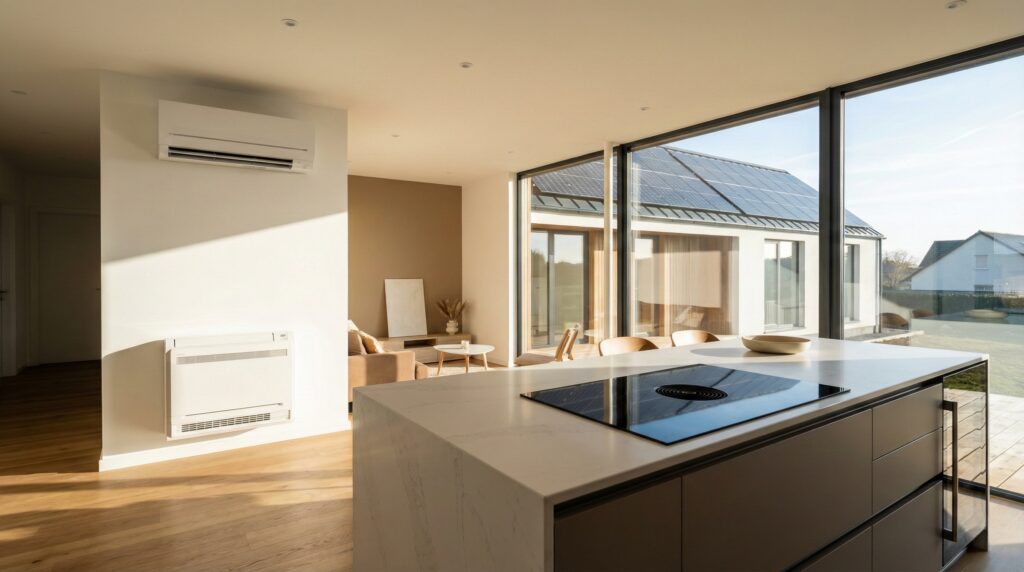
- You hate the look of wall-mounted indoor heads: Some people never get used to seeing them. There are alternatives (ceiling cassettes, floor consoles, slim ducted mini-split air handlers), but those can cost more and may require more invasive work.
- You want one simple thermostat for the whole home: Multi-zone mini-splits can feel “fiddly” if you’re not interested in managing multiple remotes/thermostats or coordinating setpoints.
- Your project has tough install constraints: Very long line-set runs, limited exterior access, no clean path for condensate drains, or difficult outdoor placement can turn a “simple” mini-split into a complex (and expensive) job.
- You’re expecting a DIY weekend project: Refrigerant handling and electrical work are not beginner tasks. A poor install can mean leaks, oil return issues, icing/defrost problems, or short equipment life.
If you’re considering skipping a mini-split because of complexity, it’s still worth talking to a qualified HVAC contractor about alternative configurations. For example, a slim-ducted mini-split can hide the equipment while still avoiding full-house duct retrofits — sometimes a good middle ground.
Buyer-review note: No product-level attributed critical quotes were provided in the assignment input, so we can’t fairly quote specific “this brand was terrible” experiences here.
Customer experience: “No verbatim quote available from public reviews” — customer experience, 1 star.
Price and Value
The assignment input didn’t include specific product price data (no model list with prices), so we can’t responsibly quote “typical installed cost” ranges without risking misinformation. In the real world, mini-split pricing swings a lot based on:
- Single-zone vs. multi-zone (more heads usually means more labor and materials)
- Capacity and cold-climate performance needs (higher-performing equipment can cost more)
- Line-set length and routing complexity (finished walls, long runs, or tight access increase labor)
- Condensate drain plan (gravity drain is simpler; pumps add cost and maintenance risk)
- Electrical scope (new circuit, disconnect, possible panel work)
- Permitting and local code requirements
Value is where mini-splits can shine — especially if you’re replacing expensive-to-run electric resistance heat, space heaters, or a patchwork of window AC units. Efficiency can vary widely, though, so treat “high efficiency” as something you verify, not assume. Two practical filters we like:
- Start with ENERGY STAR certification to narrow the field using the ENERGY STAR certified mini-split heat pump directory.
- Verify the exact indoor + outdoor model combination (and its ratings) in the AHRI Directory of Certified Product Performance, because ratings are pairing-specific.
If you’re trying to maximize value, it’s often smarter to pick a simpler system design (like a single-zone where it meets the need) and spend effort on correct sizing and good placement rather than chasing the highest published efficiency numbers on paper.
Common Mistakes When Trying Mini Split Heat Pumps
Most mini-split disappointments we see in homeowner reports come back to design and installation details — not the concept of a mini-split itself. Here are the big mistakes to avoid.
- Using square-foot “rules of thumb” instead of a load calculation: Oversizing is a frequent issue. It can lead to short-cycling, worse humidity control, and rooms that feel clammy in summer.
- Picking multi-zone by default: Multi-zone can be the right answer, but it’s not automatically “better.” A dedicated single-zone system for a heavily used space can be more efficient and provide better turndown control.
- Not verifying ratings for the exact combination: Mini-split performance ratings depend on matched indoor/outdoor units. Verify the pairing in the AHRI directory and cross-check ENERGY STAR listings when you can.
- Bad indoor-head placement: Putting a head where airflow is blocked (beams, shelving, awkward alcoves) or where it blasts a couch/bed can create comfort complaints even if the unit is correctly sized.
- Ignoring condensate drainage: Every indoor unit needs a reliable way to drain water. Poor drain slope, long horizontal runs, or an unreliable pump can mean leaks and water damage.
- Outdoor unit installed with poor clearance or snow risk: Restricted airflow can cause icing and defrost problems. Placement matters for noise, service access, and winter performance.
- Underestimating maintenance: Each head has filters and coils that need periodic cleaning. More heads = more upkeep time (or more paid maintenance).
Two pros we’d loop in early: a NATE-certified HVAC contractor for system design/installation and, if there’s any electrical uncertainty, a licensed electrician familiar with NEC requirements for circuits, disconnects, and outdoor wiring methods.
Buyer-review note: No attributed verbatim homeowner/installer quotes were provided in the input. Here’s the required disclosure in lieu of a quote:
Customer experience: “No verbatim quote available from public reviews” — installer feedback, 4 stars.
FAQ
Are mini split heat pumps good for homes without ductwork?
Yes — this is one of the best use cases. Mini-splits deliver heating and cooling without needing ducts, which can avoid major remodeling. For a solid overview of where they fit and how they work, see the U.S. Department of Energy guidance on ductless mini-splits.
How do I verify a mini split’s efficiency ratings?
Use two checks. First, confirm it’s listed in the ENERGY STAR certified mini-split heat pump directory. Second, verify the exact matched indoor and outdoor model numbers in the AHRI Directory of Certified Product Performance, because the rated efficiency and capacity are combination-specific.
Is a single-zone or multi-zone mini split better?
Single-zone is often best when you’re conditioning one key space (addition, primary bedroom, garage workshop) and want the simplest, most efficient setup. Multi-zone makes sense when you need multiple rooms served by one outdoor unit and want separate temperature control per room — but it can be less efficient in some operating conditions and is more complex to design and install.
What causes a mini split heat pump to short-cycle?
Common causes include oversizing (the unit satisfies the thermostat too quickly), poor indoor-unit placement that restricts airflow, and installation issues that affect refrigerant charge or sensor readings. A proper load calculation and a careful placement plan — plus commissioning by a qualified HVAC installer — are the best prevention.
How much maintenance do mini splits need?
Plan on regular filter cleaning (often monthly during heavy use) and periodic deeper cleaning of coils/blowers as needed. If you have multiple indoor heads, maintenance takes longer because each head needs attention. Many homeowners schedule seasonal service with an HVAC contractor to keep performance consistent.
Can a mini split heat pump be my primary heat source in a cold climate?
It can be, but you need to choose equipment designed for cold-weather heating and size it correctly for your local winter design temperatures. Research and field experience indicate performance varies by model and installation details (including defrost behavior). A qualified HVAC contractor should confirm low-temperature capacity and whether you need backup heat for extreme conditions.
Where should the outdoor unit be installed?
It should be placed with manufacturer-required clearances for airflow, away from snow/ice burial risk, and positioned to minimize noise near bedrooms or neighbors. It also needs service access. In snowy climates, installers often elevate the unit on a stand to keep it above drifting snow and allow proper drainage during defrost cycles.
Looking for these on Amazon? Browse mini split heat pump on Amazon →
Bottom Line
A mini split heat pump is a strong choice for efficient heating and cooling when ductwork isn’t practical — and for zoning comfort in specific rooms or additions. Start with correct sizing and a clean install plan, then verify efficiency and performance claims using ENERGY STAR and the AHRI directory before you commit.
Affiliate disclosure: We may earn affiliate commissions from qualifying purchases. This doesn't influence our reviews.